We are all cracked, damaged in some way by the experiences of our past.
Our experiences of hurt, pain and fear shape who we are and our relationships with others. Some of these cracks run deep, fracturing our sense of self. Some are caused by experiences beyond our control…the unexpected death of a close friend, tragic events that leave us feeling helpless. Others lead us to question our (in)actions, our complicity and, ultimately, ourselves…abusive family relationships, the beating sustained at the hands of a partner, the unravelling of an idea, a dream. These deep cracks are accompanied by other seemingly more superficial ones…an unkind word from a friend, a complicated relationship, a stupid mistake. The cracks crisscross and reinforce each other in sometimes difficult and unexpected ways
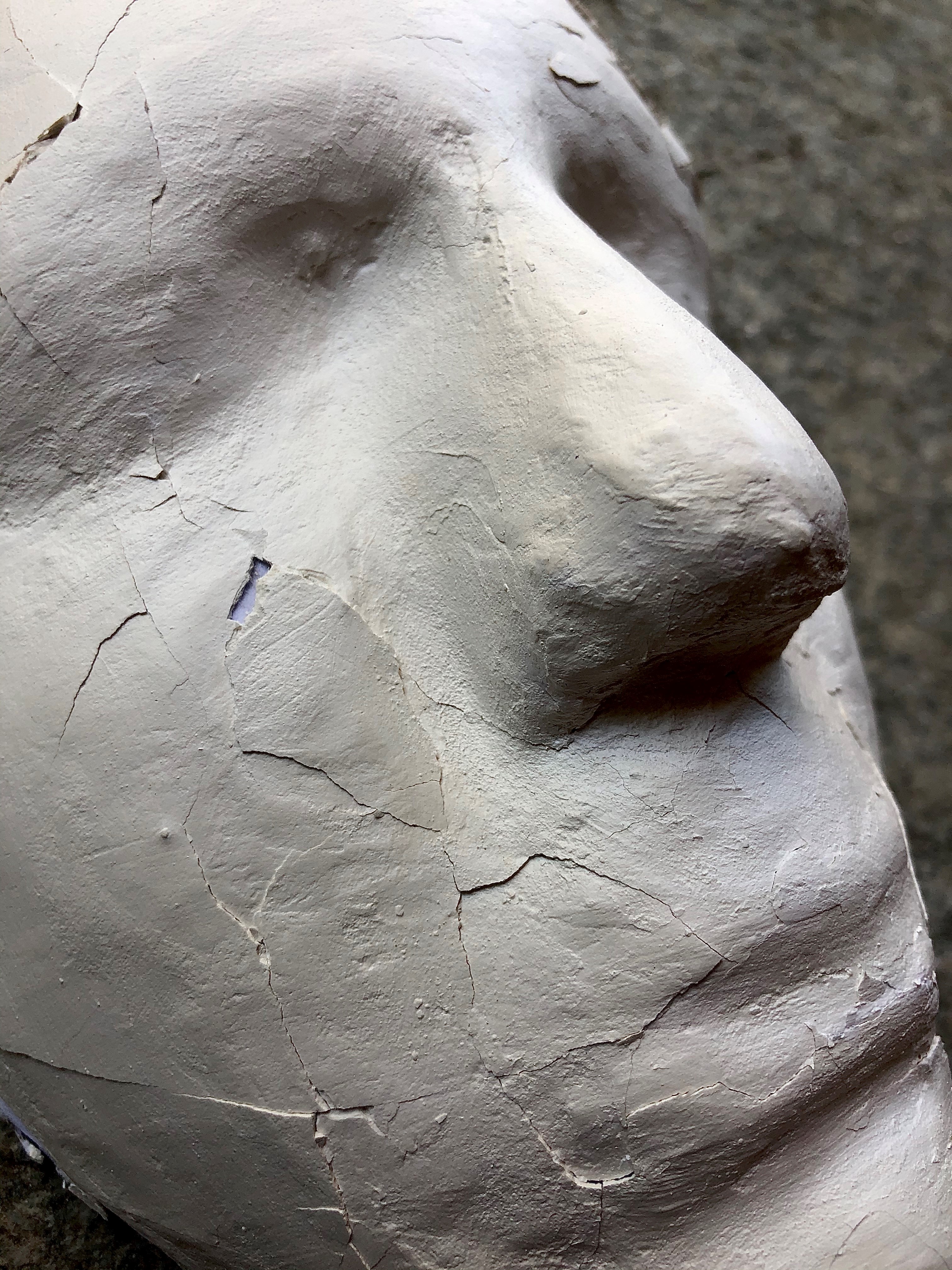
As women we know only too well that being honest and open about our experiences – the cracks – will often lead others to judge us. Gendered judgement comes hard and fast, often framed rhetorically to make us question ourselves:
“I was a teenage mother” = “Were you stupid, after a free house or just a slut?”
“Sometimes he used to hit me” = “Why did you let him do that to you? Why didn’t you just leave him?”
So we cover cracks, hide the pain. And for good reason. If others see the cracks they might see them as weakness, exploit them, take advantage of our vulnerability. We present ourselves as strong, capable, invincible even at those times when inside we feel anything but.


As we get older we start to understand that the cracks do not mean that we are broken. They are an integral part of who we are and how we are. And if the people that we care about can’t see the cracks, our vulnerabilities, then they can’t see us or know us for who we are. And we, in turn, can’t truly know ourselves.
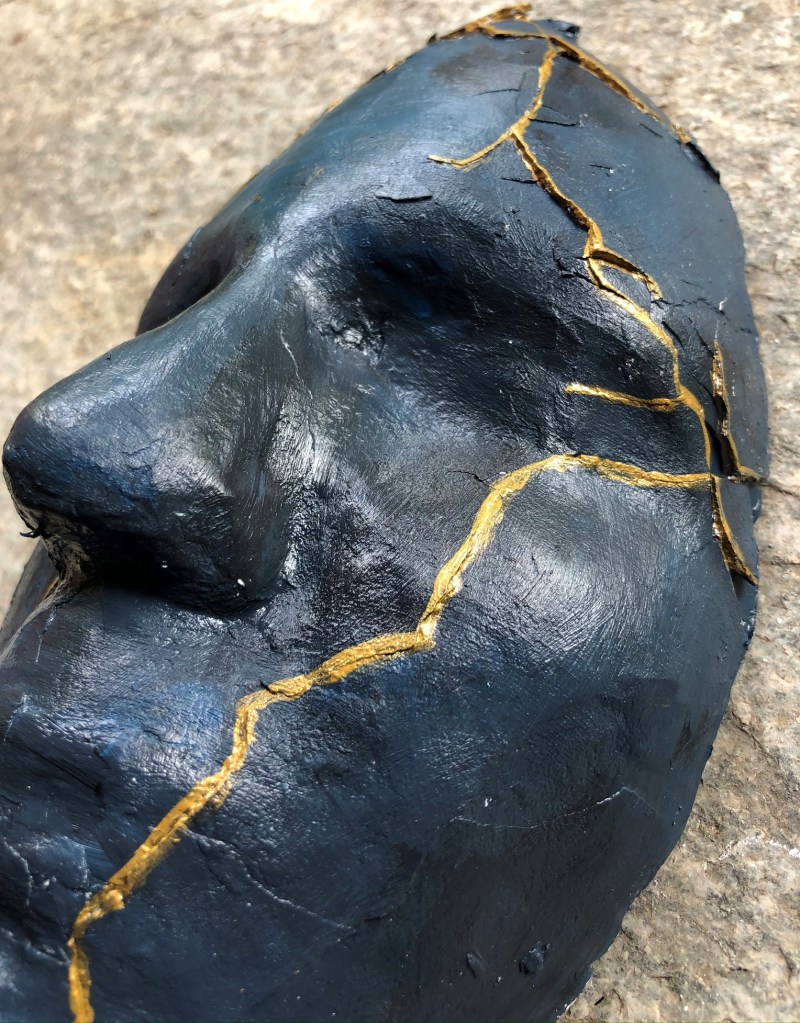
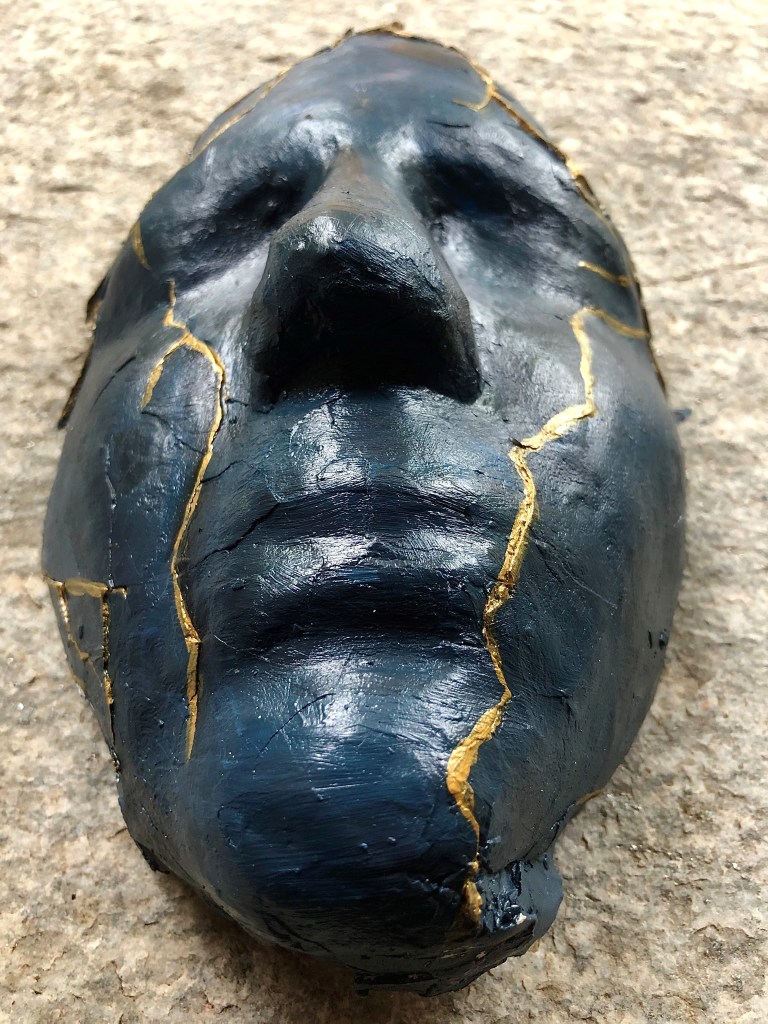
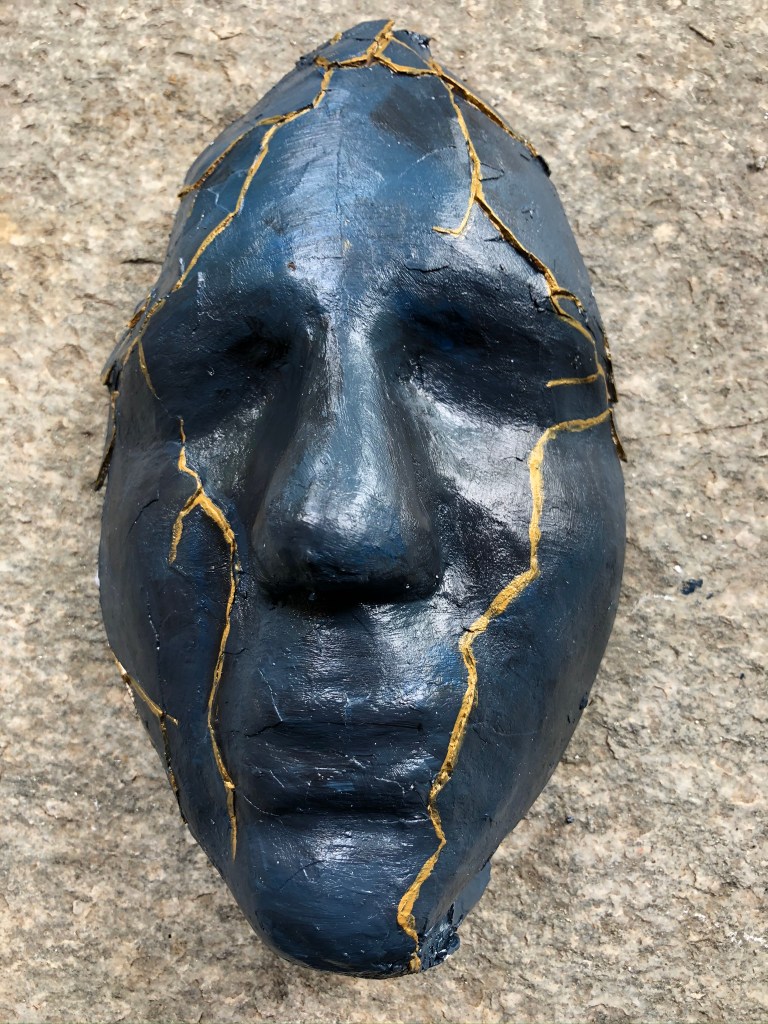
The Japanese art of kintsugi is a repair method that honours the artifact’s unique history by emphasizing, not hiding, the break. Rather than rejoin ceramic pieces with a camouflaged adhesive, the kintsugi technique employs a special tree sap lacquer dusted with powdered gold, silver, or platinum. This unique method celebrates each artifact’s unique history by emphasizing its fractures and breaks instead of hiding or disguising them. In fact, kintsugi often makes the repaired piece even more beautiful than the original, revitalizing it with a new look and giving it a second life.
The symbolism of kintsugi has been written about extensively. In her detailed account of the history and methods of kintsugi, Celine Santini notes that the art of kintsugi is a metaphor for resilience. What we imagine to be broken and beyond repair becomes something even more beautiful when the cracks are brought to the fore and made visible.
This has profound implications for how we chose to live our lives.
The kintsugi approach makes the most of what already is, highlights the beauty of what we do have, flaws and all, rather than leaving us eternally grasping for more, different, other, better.
Celine Santini
As Andrea Mantovani points out, we often try to conceal our flaws and yet appreciate others who are willing and able to expose their vulnerabilities, show old wounds or admit mistakes. The openness and willingness to admit that we are fallible creates intimacy and trust in relationships and fosters mutual understanding.
When we expect everything and everyone to be perfect, including ourselves, we not only discount much of what is beautiful, but we create a cruel world where resources are wasted, people’s positive qualities are overlooked in favor of their flaws, and our standards become impossibly limiting, restrictive, and unhealthy. The kintsugi approach instead makes the most of what already is, highlights the beauty of what we do have, flaws and all, rather than leaving us eternally grasping for more, different, other, better.
Andrea Mantovani
For me the important message behind kintsugi is that it can support the healing process. Your cracks are your strength not your weakness. They make you more beautiful, not less. They make you who you are.
Cracked

Each crack tells a story

Of pressure
Heat
Stress

Unable to hold
Unable to bend

Sometimes the crack
Darts across the surface
Chasing the contours
Coming to rest
At an edge

A mark
A memory
Etched on the outside

Sometimes the crack goes deep
Scars
Impossible to hide

Each crack tells a story
Of resilience
Strength
The ability to withstand pressure
Heat
Stress

And emerge more beautiful
Than before

Fragility is strength
Resilience is beauty

Cracked
But not broken

Italy, 8th June 2020
Wordsmith: Heaven Crawley
Designer maker: Heaven Crawley
Photographer: Heaven Crawley
 The artist and the prof